All Categories
Featured
Rumored Buzz on Unsecured Debt Forgiveness Demystified
The Definitive Guide to How Professional Guidance Matters

All about Understanding Various How Specialty Counselors Help Clients Facing Legal Separation or Child Support Changes Offered Now
Table of Contents
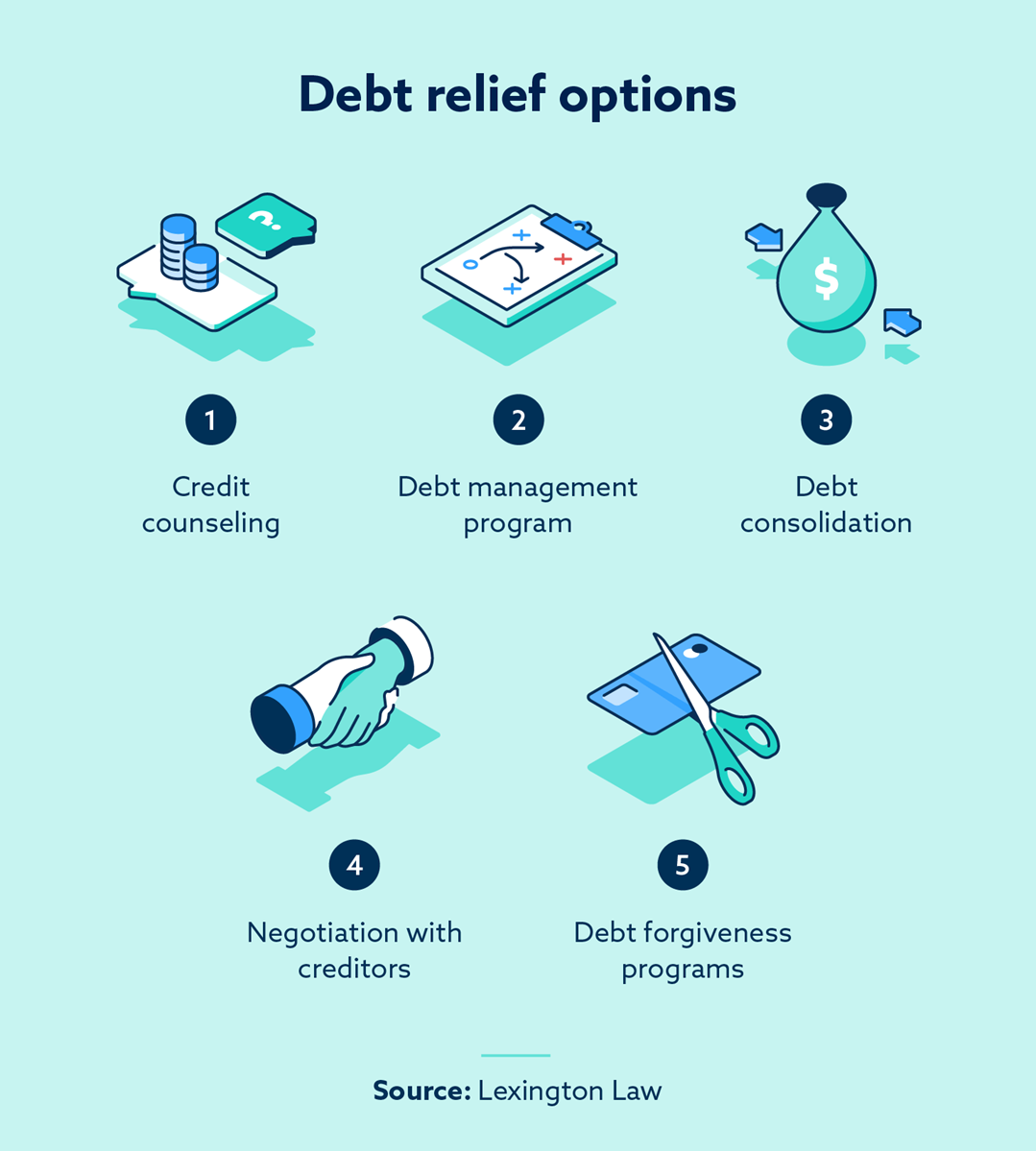
That maximizes money in the brief term, and you might have 3 to four years to conserve towards the settlement amount. Very harmful to debt scores, largely because of missed settlements and an unfavorable "cleared up" mark that could remain on your credit history report for approximately 7 yearsMay be just option if various other alternatives (debt loan consolidation, equilibrium transfer credit scores cards, financial obligation mercy) aren't possibleTypically needs a fee to the 3rd party, which might counter some or all of the financial savings from debt settlementMay assist you avoid insolvency if you have actually missed several paymentsNot all creditors function with debt negotiation companies Debt mercy might be right for you if you are experiencing a monetary challenge that makes it almost impossible to pay down your debt balances.

With a DMP, you make one month-to-month repayment to the credit counseling company. Those funds are after that distributed to financial institutions of your unprotected financial debts, such as credit scores cards and installment lendings. The firm works with your lenders to lower rate of interest or waive costs, yet some lenders may decline such giving ins.
A financial obligation consolidation car loan combines your qualified debts right into one brand-new lending. It can aid you pay down debt if you have the ability to safeguard a lending price that's less than the average price of the accounts you're consolidating. You have to refrain from racking up financial obligation on those recently cleared accounts or your debt might expand also higher.
That offers you plenty of time to get rid of or significantly lower your balance while making interest-free repayments.
The Main Principles Of Their Team Philosophy to Achieve Financial Relief
You may need it if your financial institution or a debt collector ever attempts to gather on the financial obligation in the future. The letter might confirm you do not owe what the debt collection agency's records reveal. Yes, for the most part, the IRS thinks about forgiven debt as gross income. When a lending institution forgives $600 or even more, they are called for to send you Form 1099-C.
Financial obligation mercy or settlement generally harms your credit score. Anytime you work out a financial obligation for much less than you owe, it might look like "worked out" on your credit history record and influence your credit rating for 7 years from the day of settlement. Your credit can additionally go down substantially in the months resulting in the mercy if you fall back on settlements.
The Greatest Guide To Inflation and Increased Need for Professional Help
This scenario often results from underreporting income, not submitting returns on time, or discrepancies found throughout an Internal revenue service audit. The consequences of accumulating tax debt are severe and can consist of tax liens, which offer the Internal revenue service a legal case to your property as safety and security for the financial obligation.
Earnings and Bank Accounts IRS can impose (confiscate) earnings and financial institution accounts to please the debt. Home Seizure In severe cases, the Internal revenue service can seize and market home to cover the debt.
Social Stigma Encountering lawful action from the IRS can lug social preconception. Work Opportunities A bad debt rating due to tax financial debt can limit employment possibilities. Government Benefits Tax financial obligation might affect eligibility for government advantages, such as Social Safety and Medicaid.
The Definitive Guide for Common Myths Regarding How Specialty Counselors Help Clients Facing Legal Separation or Child Support Changes
The OIC thinks about a number of elements, consisting of the taxpayer's income, expenses, asset equity, and capacity to pay. Efficiently bargaining an OIC can be complicated, calling for a complete understanding of the internal revenue service's standards and a strong debate for why your offer lines up with your capability to pay. It's vital to keep in mind that not all applications are accepted, and the procedure needs comprehensive financial disclosure.
The internal revenue service examines your total financial situation, including your revenue, costs, possession equity, and ability to pay. You should also be present with all filing and settlement requirements and not remain in an open insolvency case. The internal revenue service also considers your conformity background, reviewing whether you have a document of prompt filing and paying tax obligations in previous years.
Not known Factual Statements About Recent Regulations Influencing Bankruptcy Options
The application procedure for a Deal in Compromise entails several comprehensive steps. Initially, you need to complete and send IRS Kind 656, the Deal in Concession application, and Kind 433-A (OIC), a collection information declaration for people. These types need thorough financial info, consisting of details regarding your earnings, debts, expenditures, and possessions.
Back taxes, which are unpaid taxes from previous years, can significantly boost your complete IRS financial debt if not dealt with immediately. This debt can accumulate passion and late payment fines, making the initial amount owed much bigger in time. Failing to repay tax obligations can cause the internal revenue service taking enforcement activities, such as issuing a tax obligation lien or levy against your home.
It is necessary to attend to back tax obligations as soon as possible, either by paying the sum total owed or by setting up a layaway plan with the internal revenue service. By taking proactive actions, you can stay clear of the buildup of extra interest and penalties, and protect against much more aggressive collection activities by the internal revenue service.
One usual reason is the idea that the taxpayer can pay the total either as a round figure or via a repayment plan. The internal revenue service additionally takes into consideration the taxpayer's revenue, expenses, asset equity, and future earning capacity. If these elements indicate that the taxpayer can manage to pay more than the supplied amount, the IRS is likely to turn down the deal.
Staying Away From the Same Patterns After Debt Relief Can Be Fun For Everyone
It is vital to provide exact and total information in your application and to consult with a tax obligation professional to improve the possibilities of approval. Managing internal revenue service debt can be complex and daunting. Tax obligation professionals, such as Certified public accountants, tax lawyers, or enlisted representatives, can give important help. They have the competence to navigate the intricacies of tax legislation and internal revenue service treatments.

Table of Contents
Latest Posts
All about Understanding Various How Specialty Counselors Help Clients Facing Legal Separation or Child Support Changes Offered Now

Rumored Buzz on Unsecured Debt Forgiveness Demystified

The Definitive Guide to How Professional Guidance Matters
More
Latest Posts
Rumored Buzz on Unsecured Debt Forgiveness Demystified
The Definitive Guide to How Professional Guidance Matters